Family Dentist vs General Dentist: What’s the Difference and Which One Is Right for You?
Choosing the right dentist is one of the most important decisions you can make for your family’s long-term oral health. Whether you need regular dental checkups, preventive care, cosmetic treatments, or restorative procedures, selecting the right dental professional can make every visit more comfortable and effective.
Many people searching for a family dentist in Rockingham often wonder whether they should visit a family dentist or a general dentist. While both professionals are highly trained to care for your teeth and gums, they differ in the way they provide care and the range of patients they typically treat.
Understanding these differences will help you choose the dental practice that best fits your lifestyle, your family’s needs, and your future oral health goals.
In this guide, we’ll explain what family dentists and general dentists do, compare their services, and help you determine which option is right for you.
Understanding a Family Dentist
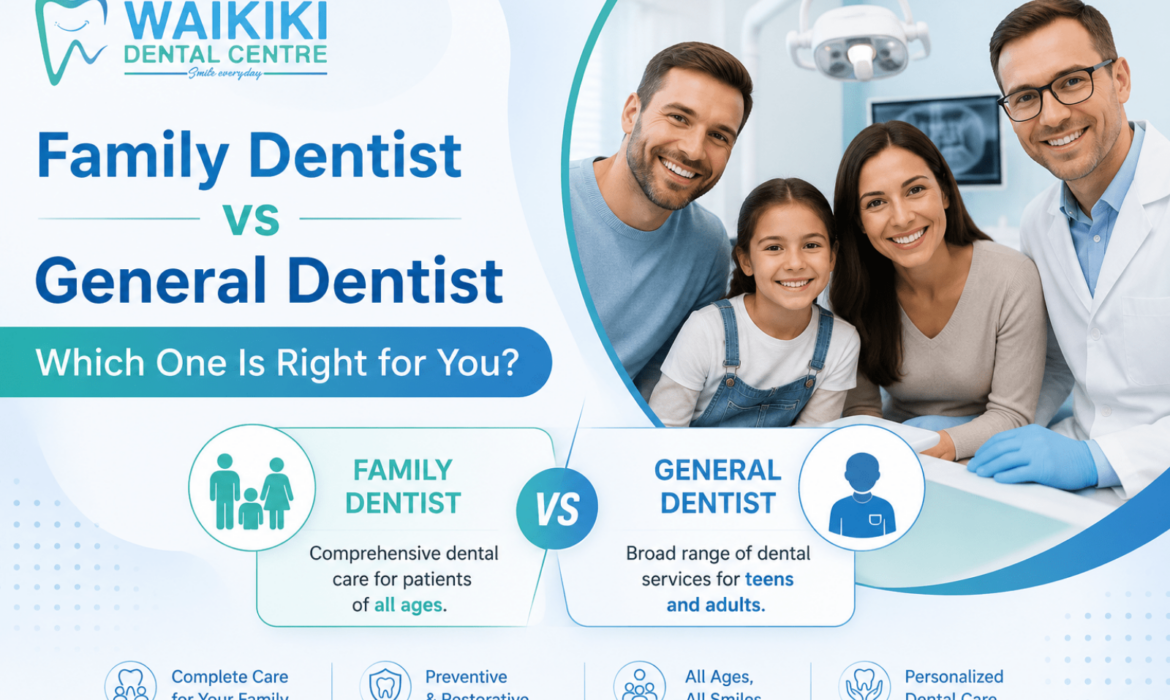
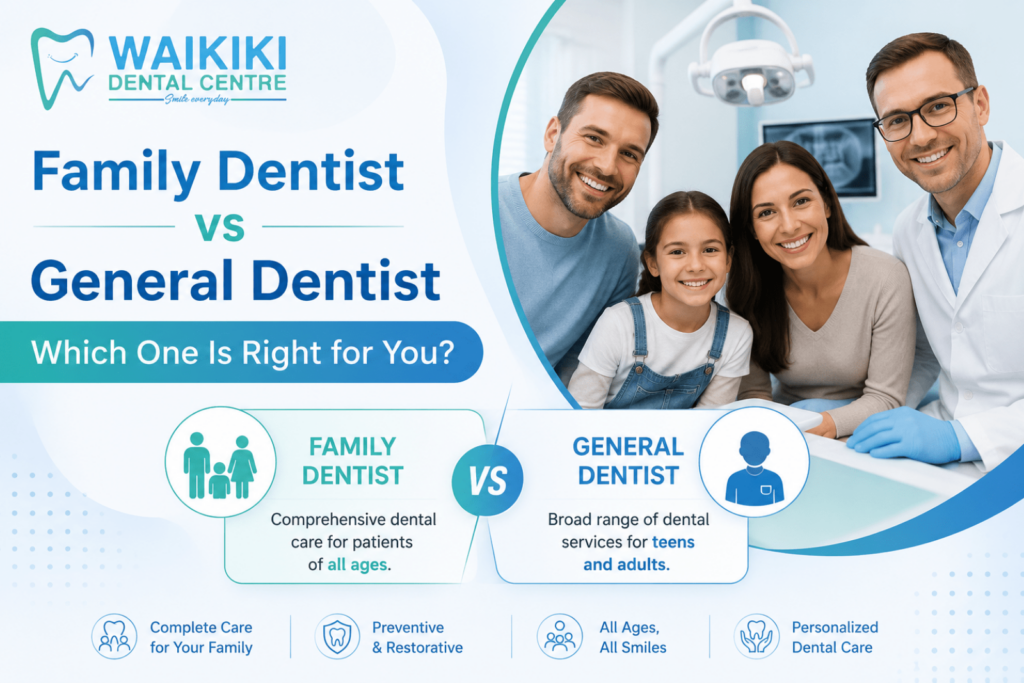
A family dentist provides comprehensive dental care for patients of nearly every age, from young children to seniors. Instead of visiting different dental clinics for each family member, everyone can receive personalized care under one roof.
A trusted family dentist in Rockingham focuses on preventive, restorative, and cosmetic dentistry while building long-term relationships with patients throughout every stage of life. Because they treat multiple generations within the same family, they become familiar with each person’s dental history, making it easier to detect changes early and recommend appropriate treatments.
Family dentistry is designed around convenience, continuity of care, and preventive treatment. Children become comfortable visiting the same dental office where their parents receive treatment, helping reduce dental anxiety and encouraging healthy oral habits from an early age.
Many families appreciate having a single dental provider who understands their unique oral health needs and can coordinate appointments for everyone, saving both time and effort.
What Does a General Dentist Do?
A general dentist is a primary dental care provider who diagnoses, treats, and helps prevent common oral health problems. They offer a wide variety of services that help patients maintain healthy teeth and gums throughout adulthood.
General dentists commonly provide:
- Comprehensive dental examinations
- Professional dental cleanings
- Digital X-rays
- Tooth-colored fillings
- Root canal therapy
- Gum disease treatment
- Dental crowns
- Bridges
- Tooth extractions
- Preventive education
While many general dentists also treat children, some practices mainly focus on adults and may refer younger patients or complex pediatric cases to specialists.
Their primary goal is maintaining oral health by diagnosing dental problems early and providing timely treatment before conditions become more serious.
Family Dentist vs General Dentist: Understanding the Difference
Although both professionals have similar dental education and can perform many of the same procedures, there are several important differences that patients should consider.
1. Age Range of Patients
One of the biggest differences is the age groups they treat. A family dentist welcomes infants, children, teenagers, adults, and seniors. This means every member of your household can receive care from the same dental team throughout life.
General dentists often treat adults and older teenagers, although many also accept children depending on the practice.
If you have children and prefer everyone to visit the same dental office, Rockingham family dentistry offers a practical and convenient solution.
2. Continuity of Care
Family dentists build relationships that may last for decades. As children grow, their dental needs naturally change. A family dentist follows their oral development from baby teeth through adulthood, allowing them to identify concerns early and provide personalized preventive care.
Having complete dental records for the entire family also allows the dentist to monitor hereditary dental conditions and recommend appropriate treatments when necessary.
General dentists also provide ongoing care but may primarily focus on individual adult patients rather than treating multiple generations.
3. Convenience for Busy Families
Today’s families have busy schedules filled with work, school, sports, and activities. Visiting multiple dental offices for different family members can quickly become stressful.
Choosing a family dentist in Rockingham allows parents and children to schedule appointments together, reducing travel time and making dental visits much easier to manage.
Many family dental clinics also offer flexible appointment scheduling designed specifically for busy households.
4. Comfort for Children
Children often feel nervous during their first dental visits.
Family dentists create welcoming environments where young patients can gradually become familiar with the dental team. Seeing parents receive treatment often helps children feel more relaxed and confident.
Building trust from an early age encourages children to maintain lifelong healthy dental habits and reduces dental anxiety in the future.
5. Long-Term Preventive Care
Family dentists emphasize prevention throughout every stage of life.
Preventive care includes:
- Regular examinations
- Professional cleanings
- Fluoride treatments
- Dental sealants
- Oral hygiene education
- Gum disease prevention
- Early cavity detection
Preventive dentistry helps minimize future dental problems while reducing the need for more extensive and expensive treatments.
Services You Can Expect from Rockingham Family Dentistry
Modern Rockingham family dentistry practices provide much more than routine checkups. They offer comprehensive treatments designed to meet changing oral health needs throughout every stage of life.
1. Preventive Dentistry
Preventive dental care forms the foundation of lifelong oral health. Regular dental examinations allow your dentist to detect cavities, gum disease, enamel wear, and other issues before they become serious.
Professional cleanings remove plaque and tartar that brushing and flossing cannot eliminate, helping reduce the risk of tooth decay and periodontal disease.
Preventive care often includes:
- Comprehensive oral examinations
- Scale and clean appointments
- Digital X-rays
- Fluoride applications
- Oral cancer screenings
- Personalized oral hygiene advice
- Gum health assessments
Maintaining regular preventive visits helps preserve your natural teeth while supporting your overall health.
2. Restorative Dentistry
Despite good oral hygiene, dental problems can still occur due to accidents, aging, or natural wear.
Family dentists provide restorative treatments that repair damaged teeth, restore function, and improve comfort.
Common restorative services include:
- Tooth-colored fillings
- Dental crowns
- Bridges
- Dentures
- Root canal treatment
- Tooth extractions
These procedures help patients regain healthy smiles while preventing additional complications.
3. Cosmetic Dentistry
A healthy smile is important, but many patients also want a brighter, more attractive appearance.
One of the most popular cosmetic treatments today is teeth whitening. Rockingham patients choose to remove stains caused by coffee, tea, wine, smoking, and aging.
Professional whitening provides significantly better results than many over-the-counter products while protecting your enamel.
A customized teeth whitening treatment in Rockingham dental professionals provide is carefully designed to deliver even whitening with minimal sensitivity.
Visiting an experienced teeth whitening dentist Rockingham patients trust ensures the treatment is performed safely using professional-strength whitening products that produce long-lasting results.
Professional cosmetic dentistry can dramatically improve smile confidence while maintaining healthy teeth and gums.
4. Children’s Dentistry
Family dentists understand the unique needs of young patients. Children require gentle dental care that supports healthy growth and development while making every visit positive and educational.
Pediatric dental services often include:
- First dental visits
- Routine checkups
- Gentle cleanings
- Fluoride treatments
- Dental sealants
- Cavity prevention
- Monitoring jaw and tooth development
- Oral hygiene education for parents and children
Early dental care establishes healthy habits that benefit children throughout adulthood.
5. Emergency Dental Care
Dental emergencies rarely happen at convenient times.
Family dentists can often provide prompt treatment for issues such as:
- Toothaches
- Broken teeth
- Lost fillings
- Dental infections
- Knocked-out teeth
- Swollen gums
- Dental trauma
Receiving immediate treatment helps relieve pain and prevent more serious complications.
Which One Is Right for You?
Choosing between a family dentist and a general dentist ultimately depends on your individual needs, your household, and your long-term oral health goals. While both are qualified to provide excellent dental care, the right choice often comes down to convenience, continuity of care, and the type of relationship you want with your dental provider.
If you’re a single adult looking for routine checkups and occasional treatments, a general dentist may meet your needs. However, if you have children, are planning to start a family, or simply prefer receiving all your dental care in one place, a family dentist is often the more practical option.
A family dentist in Rockingham provides care for every stage of life, allowing your entire family to visit the same trusted dental practice. This continuity helps build confidence, reduces dental anxiety, and ensures that every family member receives personalized care based on their dental history.
When your dentist understands your family’s oral health over many years, they can identify changes earlier, recommend preventive treatments, and provide consistent advice tailored to your needs.
Benefits of Choosing a Family Dentist
Selecting a family dentist offers advantages that go beyond convenience. It creates a long-term partnership focused on maintaining healthy smiles for every member of your household.
1. Comprehensive Care for Every Age
One of the biggest advantages of Rockingham family dentistry is that it provides care for patients throughout every stage of life.
From a child’s first dental visit to orthodontic assessments, adult restorative care, cosmetic treatments, and senior dental services, everything is available under one roof.
This eliminates the need to search for a new dentist as your family’s needs evolve.
2. Long-Term Relationships Build Better Care
Seeing the same dentist consistently allows them to become familiar with your oral health history, lifestyle, and treatment preferences.
Over time, this relationship helps your dentist:
- Monitor changes in your oral health
- Detect potential issues earlier
- Track previous treatments
- Recommend preventive care
- Develop personalized treatment plans
- Understand hereditary dental concerns within your family
This continuity often leads to better long-term oral health outcomes.
3. Convenient Scheduling
Busy families often struggle to coordinate multiple appointments at different clinics.
A family dental practice can often arrange appointments for parents and children on the same day, reducing travel time and minimizing disruptions to work and school schedules.
Instead of visiting several offices, your entire family can receive quality dental care during one visit.
4. Early Prevention Saves Time and Money
Preventive dentistry is one of the greatest strengths of family dental care. Routine examinations allow small problems to be treated before they become painful or expensive.
Preventive care can help reduce the risk of:
- Tooth decay
- Gum disease
- Tooth loss
- Dental infections
- Costly restorative procedures
- Emergency dental visits
Regular professional cleanings, fluoride treatments, and oral hygiene education support healthier smiles while helping families avoid unnecessary dental expenses.
Cosmetic Dentistry Is Part of Complete Dental Care
Many people think cosmetic dentistry is only about improving appearance, but it can also increase confidence and encourage better oral hygiene.
Among the most requested cosmetic procedures is teeth whitening; Rockingham patients choose to brighten stained or discoloured teeth.
Professional whitening can remove stains caused by coffee, tea, red wine, tobacco, and natural ageing, helping patients achieve a fresher, healthier-looking smile.
Unlike over-the-counter products, the professional teeth whitening treatment provided by Rockingham dental clinics is customised to your smile. Your dentist carefully evaluates your oral health before treatment, ensuring safe and even whitening while minimising tooth sensitivity.
Visiting an experienced teeth-whitening dentist that Rockingham residents trust also means you receive expert guidance on maintaining your results through proper oral hygiene and dietary habits.
Whether you’re preparing for a wedding, job interview, graduation, or simply want to feel more confident every day, professional teeth whitening is a safe and effective way to enhance your smile.
Quality Dental Care Doesn’t Have to Be Expensive
Many people postpone dental visits because they worry about treatment costs. Unfortunately, delaying care often allows minor problems to become more serious, leading to more complex and expensive procedures.
Choosing an affordable dentist in Rockingham families trust allows you to prioritise preventive care without compromising on quality. Regular check-ups, cleanings, and early treatment are typically far more cost-effective than waiting until pain or significant damage occurs.
Many family dental practices also offer flexible treatment plans, transparent pricing, and a wide range of services to suit different budgets. Investing in routine dental care today can help reduce future expenses while protecting your long-term oral health.
How to Choose the Right Family Dentist
Finding the right dental practice involves more than simply selecting the closest clinic. Consider the following factors when making your decision:
1. Experience Treating All Ages
Choose a dentist who is comfortable caring for children, teenagers, adults, and seniors. This ensures every family member receives age-appropriate treatment in a familiar environment.
2. Comprehensive Services
Look for a practice that offers preventive, restorative, emergency, and cosmetic dentistry. Having multiple services available in one location makes dental care more convenient.
3. Patient-Focused Approach
A welcoming and compassionate dental team can make a significant difference, particularly for children or patients with dental anxiety. Clear communication, personalised treatment plans, and a gentle approach help create a positive experience.
4. Modern Technology
Clinics equipped with digital X-rays, advanced diagnostic tools, and contemporary treatment techniques often provide more accurate diagnoses, improved comfort, and efficient care.
5. Positive Reputation
Reading patient reviews and testimonials can give you valuable insight into the quality of care, professionalism, and overall patient experience offered by the practice.
Why More Families Choose Rockingham Family Dentistry
Families appreciate having one trusted dental team that understands their unique oral health needs over time.
A family dental practice focuses on building lasting relationships while providing comprehensive care in a welcoming environment. Children become familiar with regular dental visits, adults benefit from preventive and restorative care, and seniors receive ongoing support to maintain healthy smiles.
Whether you need routine examinations, fillings, gum care, cosmetic improvements, or professional whitening, receiving treatment from a trusted family dentist offers consistency, convenience, and peace of mind.
By choosing a practice that supports every stage of life, you’re making an investment in your family’s long-term oral health.
Conclusion
Both family dentists and general dentists play an essential role in helping patients maintain healthy smiles. However, if you’re looking for comprehensive care that grows with your family, a family dentist offers unique advantages in convenience, continuity, and personalised treatment.
From children’s first dental visits to preventive care, restorative procedures, emergency treatment, and cosmetic services like professional teeth whitening, a family dental practice can meet the evolving needs of every member of your household.
Choosing a trusted family dentist in Rockingham means you’ll have a dedicated dental team focused on protecting your family’s oral health today and for years to come.
Schedule Your Family’s Dental Visit Today
Looking for compassionate, comprehensive dental care for every member of your family? At Waikiki Dental, our experienced team is committed to providing high-quality preventive, restorative, and cosmetic dentistry in a comfortable and welcoming environment.
Whether you need routine check-ups, children’s dental care, professional teeth whitening treatment in Rockingham, or are searching for an affordable dentist in Rockingham, we’re here to help you achieve healthy, confident smiles that last a lifetime.
Book your appointment today and discover why so many families trust Waikiki Dental for exceptional dental care.
Frequently Asked Questions (FAQs)
1. What is the difference between a family dentist and a general dentist?
A family dentist treats patients of all ages, from young children to seniors, while a general dentist may primarily focus on adult dental care. Family dentists offer comprehensive services for the entire household, making it easier to manage everyone’s oral health at one practice.
2. Why should I choose a family dentist in Rockingham?
Choosing a family dentist in Rockingham allows every member of your family to receive consistent, personalised care in one convenient location. It also helps build long-term relationships with your dental team, making preventive care more effective and reducing dental anxiety for children.
3. Can a family dentist provide cosmetic treatments like teeth whitening?
Yes. Many family dental practices offer cosmetic services, including professional teeth whitening that Rockingham patients choose to brighten stained or discoloured teeth. Your dentist will recommend the most suitable whitening option based on your oral health and smile goals.
4. How often should my family visit the dentist?
Most patients benefit from dental check-ups and professional cleanings every six months. However, your dentist may recommend more frequent visits if you have gum disease, ongoing dental concerns, or specific oral health needs.
5. Is professional teeth whitening better than store-bought products?
Yes. A professional teeth whitening dentist Rockingham patients trust uses stronger, clinically approved whitening agents that provide faster, safer, and more consistent results than many over-the-counter products. Professional treatment is also customised to minimise sensitivity while achieving a brighter smile.